

 small sovereign wealth and low-debt profile
Brunei Investment Risk Profile
Brunei screens as a small, high-scoring sovereign profile with low debt pressure and energy-backed wealth characteristics. The challenge is practical access: investors need to verify market depth, banking access, foreign ownership and local rules before treating the score as actionable.
- Research Brunei for sovereign stability, energy-linked wealth and Southeast Asia diversification. Verify account access, company ownership, property rules, tax treatment and investment-market depth before acting.
- This page uses the 2026 Hide My Cash country dataset. The overall score requires at least 8 of 11 primary components; unavailable indicators are never estimated.
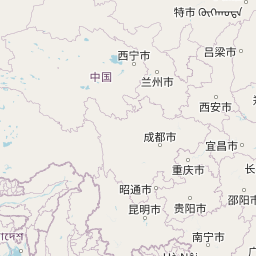
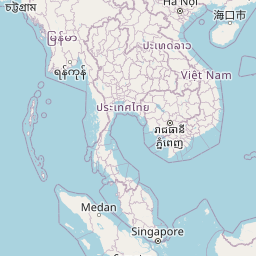
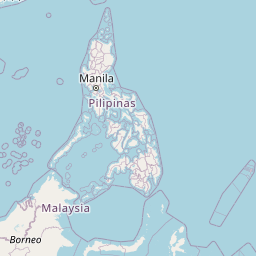
 79BRN
Brunei signal radar
Higher scores usually mean a more favorable research signal. Debt and tax are normalized so stronger scores are better for capital-preservation research.
Quick facts
Compare Brunei with


Why investors research Brunei: capital mobility, public markets and ETFs, crypto tax and legal treatment
Brunei is a Asia country profile for comparing investment risk, tax exposure, banking access, currency stability, sovereign credit, market depth, real-estate access and crypto tax treatment. The page uses available public indicators and leaves unavailable facts unscored rather than estimating them. For searchers comparing where to invest abroad legally, the key Brunei entities are investor score, tax residency, capital gains tax, dividend withholding tax, bank account access, brokerage access, sovereign credit rating, currency exposure, market depth, real estate rules, crypto tax treatment, CRS/FATCA reporting and double-tax-treaty checks. Brunei belongs in a shortlist only when those data signals match the user’s specific capital-preservation or asset-access problem.
Brunei due-diligence risks: banking access, governance and rule of law, currency risk
The biggest mistake is treating a country score as personal advice. For Brunei, verify current tax residency rules, capital-gains and dividend treatment, withholding tax, banking onboarding, source-of-funds documentation, brokerage availability, foreign-owner rules, crypto reporting, inheritance or wealth taxes where relevant, sanctions exposure if applicable, and double-tax-treaty effects. If an indicator is unavailable, treat that as a reason to check primary sources before acting.
Brunei asset questions: ETFs, property, banking and crypto
For Brunei, stocks and ETFs score 75/100, market depth scores N/A, real estate scores N/A, crypto legal signal scores 60/100, and crypto tax scores 60/100. Use those signals to decide whether the next research step is public-market exposure, local property ownership, bank-account opening, crypto tax treatment, currency hedging, or comparison with a safer peer country.
Data confidence for Brunei
Hide My Cash combines country-level research signals into a simple comparison view. Some indicators are unavailable for thinner markets; missing values stay visible rather than being invented.
FAQ
Is Brunei a good country for investors?
Brunei has an Investor Score of 79/100 in the current Hide My Cash snapshot. Suitability still depends on the user's taxes, residency, asset choice, currency exposure and legal obligations.
What is Brunei's strongest signal?
The strongest visible scores include Debt resilience (100/100), Capital mobility (97/100), Currency strength (85/100). These are starting points for research, not guarantees.
What should users verify for Brunei?
Verify tax residency, reporting duties, banking access, investment-account eligibility, capital gains and withholding taxes, currency exposure, property ownership rules, and current official documents.
Does Hide My Cash use real data for this profile?
Yes. The visible scores and facts come from the current Hide My Cash country snapshot. Missing fields are left unavailable rather than invented.
Public data portals behind this profile
Open the observation year shown beside each metric, then verify the underlying series at its publisher. The snapshot uses these portals when the matching field is available; legal, tax, property and crypto rules may require additional country-specific sources named in the page.