

 A Juba-centred research case where severe inflation and sparse access evidence limit comparison
Investing in South Sudan: data gaps shape the first decision
South Sudan has no publishable Investor Score or eligible rank in the 2026 data because only six of 11 primary components are available, below the required eight. Debt scores 88, but inflation scores 0 after a 91.441% inflation observation for 2024. Treat the available figures as a starting screen, not a complete investment verdict.
- First verify that the intended asset, regulated venue, custodian and exit route are actually available. Then confirm South Sudanese pound conversion and transfer mechanics against the currency, banking and capital-mobility scores. Obtain current primary evidence for tax, sovereign credit, market depth, property and asset-specific rules before making a comparison.
- This page uses the 2026 Hide My Cash country dataset. The overall score requires at least 8 of 11 primary components; unavailable indicators are never estimated.
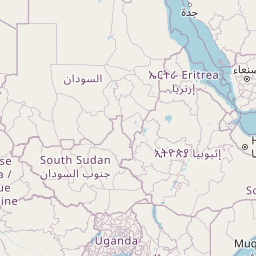

 N/ASSD
South Sudan signal radar
Higher scores usually mean a more favorable research signal. Debt and tax are normalized so stronger scores are better for capital-preservation research.
Quick facts
Compare South Sudan with


Why the debt reading cannot outweigh South Sudan's inflation signal
South Sudan's available 2026 data presents a sharp macro trade-off rather than a complete score. Government debt is estimated at 37.714% of GDP for 2026 and the debt component scores 88. By contrast, the inflation component scores 0, with inflation measured at 91.441% in 2024. The current account was 7.931% of GDP in 2023, but GDP per capita is unavailable. These observations can frame questions about purchasing power, financing and external balances; they cannot establish returns, access or suitability. With only six primary components, South Sudan does not meet the eight-component threshold for an overall Investor Score or eligible rank.
Sparse financial-access evidence makes verification part of the decision
The evidence base is thin where an investor would need operational detail. Account ownership was 5.831% in 2021, internet use was 6.671% in 2019 and the banking score is 20. Market capitalization and listed-company observations are unavailable, as are market-depth and stocks-and-ETFs scores. Governance also scores 21; the supplied 2024 indicators include control of corruption at 6.062 and government effectiveness at 9.092. These figures do not prove that a particular account, security or payment route is unavailable, but they make current checks on licensing, custody, settlement, ownership records and enforceability essential.
Research the South Sudanese pound and exit mechanics before products
South Sudan uses the South Sudanese pound. Its currency score is 29 and capital mobility scores 28, so a product-level review should begin with how money enters, converts, settles and exits rather than with headline asset selection. Confirm the quoted currency, regulated intermediary, custody chain, withdrawal process and documentary requirements for the exact transaction. Then separate those operational findings from the stronger debt score of 88 and weak inflation score of 0. Crypto, real-estate, property-price, stocks-and-ETFs and market-depth scores are unavailable, so the dataset supports no asset-class conclusion in those areas.
Data confidence for South Sudan
Hide My Cash combines country-level research signals into a simple comparison view. Some indicators are unavailable for thinner markets; missing values stay visible rather than being invented.
FAQ
Why does South Sudan have no Investor Score or eligible rank?
Only six of the 11 primary components are available for South Sudan. At least eight are required to publish an overall Investor Score and eligible rank, so neither is shown in the 2026 data.
What do South Sudan's inflation and debt figures show?
Inflation was 91.441% in 2024 and the inflation component scores 0. Government debt is estimated at 37.714% of GDP for 2026, while the debt component scores 88.
What financial-access evidence is available for South Sudan?
Account ownership was 5.831% in 2021 and internet use was 6.671% in 2019. Banking scores 20 and capital mobility 28, while market capitalization and listed-company observations are unavailable.
Which South Sudan investment fields remain unavailable?
Tax, sovereign credit, crypto, crypto tax, real estate, property prices, stocks and ETFs, and market depth lack scores. The gaps prevent a complete asset-class or overall comparison.
Public data portals behind this profile
Open the observation year shown beside each metric, then verify the underlying series at its publisher. The snapshot uses these portals when the matching field is available; legal, tax, property and crypto rules may require additional country-specific sources named in the page.